
 By kids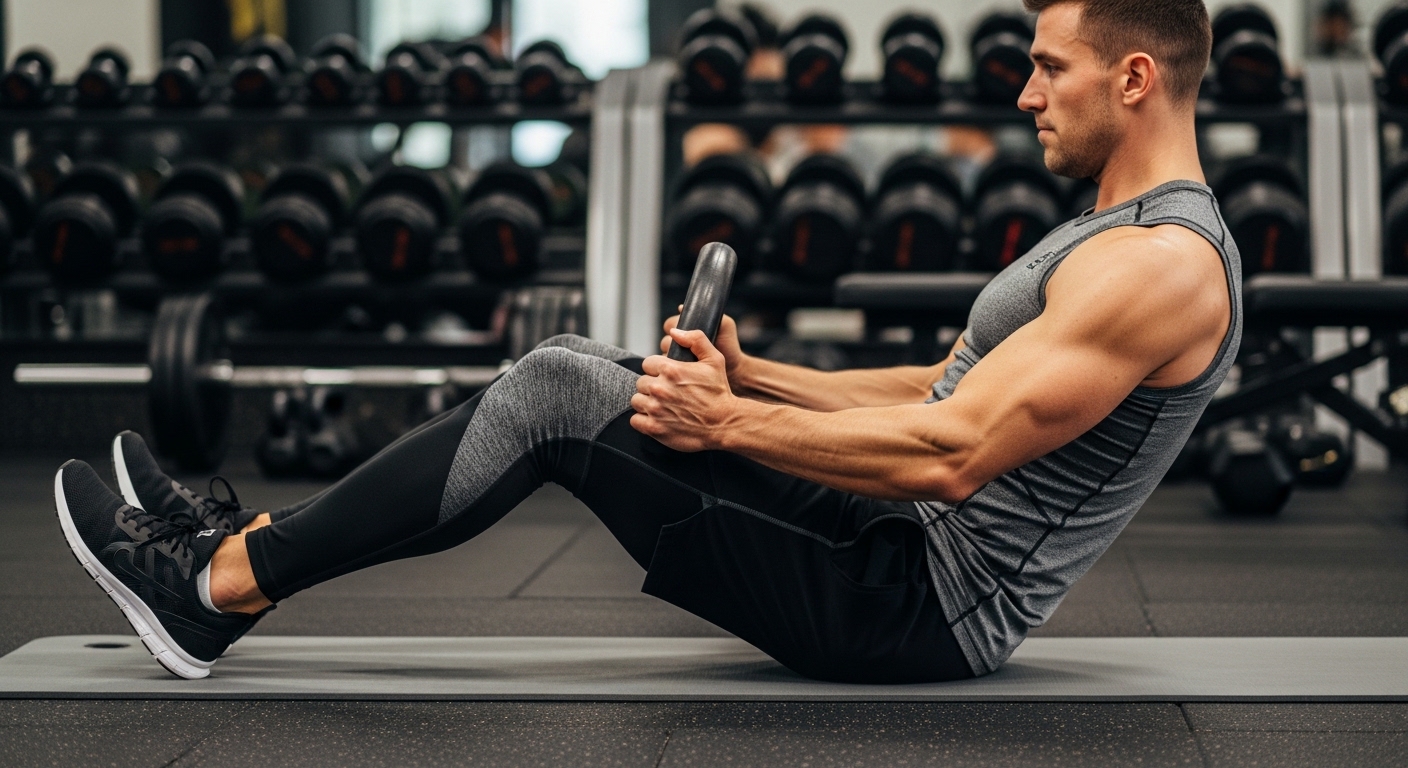
The russian twist is a widely recognized core exercise that targets multiple muscle groups while improving balance and coordination. Known for its simplicity and effectiveness, it has become a staple in both home workouts and professional fitness routines. This movement focuses on rotational strength, which plays a key role in everyday activities and athletic performance. Whether you are a beginner or an experienced fitness enthusiast, incorporating the russian twist into your routine can help develop a stronger and more stable core. Understanding its technique and benefits is essential for achieving optimal results without risking injury.
Understanding the Russian Twist Exercise
The russian twist is a seated core movement that involves rotating the torso from side to side while maintaining balance. It primarily engages the abdominal muscles, especially the obliques, which are responsible for twisting and side bending. To perform it correctly, you sit with your knees bent and feet slightly elevated or grounded, leaning back at an angle to activate the core. The twisting motion should be controlled and deliberate rather than rushed. This exercise is valued for its ability to enhance rotational strength, which is often overlooked in traditional workouts focused mainly on forward and backward movements.
Muscles Targeted by the Russian Twist
The russian twist works several muscle groups simultaneously, making it an efficient addition to any fitness routine. The primary muscles involved are the obliques, which help create rotational movement and support spinal stability. The rectus abdominis, often referred to as the six-pack muscles, also plays a role in maintaining posture during the exercise. Additionally, the hip flexors assist in stabilizing the lower body, while the lower back muscles provide support to keep the spine aligned. This combination of muscle engagement ensures that the russian twist contributes to overall core strength and functional fitness.
Benefits of Including Russian Twist in Workouts
Incorporating the russian twist into your workouts offers numerous advantages beyond building visible abdominal muscles. One of its key benefits is improved core stability, which supports better posture and reduces the risk of injuries during daily activities. It also enhances balance and coordination by requiring controlled movements and body awareness. Athletes often use this exercise to develop rotational power, which is essential in sports such as tennis and football. Furthermore, the russian twist can contribute to calorie burning when performed as part of a high-intensity routine, supporting overall fitness and weight management goals.
Proper Form and Technique for Best Results
Maintaining proper form during the russian twist is crucial to maximize its effectiveness and prevent strain. Start by sitting upright with your knees bent and your back slightly leaned back to engage the core. Keep your spine straight rather than rounded, as this helps protect the lower back. As you twist from side to side, focus on moving your torso rather than just your arms. Breathing should remain steady, with exhalation during each twist. Avoid rushing through repetitions, as controlled movements ensure better muscle engagement and reduce the likelihood of injury during the exercise.
Common Mistakes to Avoid
Many people perform the russian twist incorrectly, which can limit its benefits and increase the risk of discomfort. One common mistake is relying too much on arm movement instead of engaging the core, which reduces the effectiveness of the exercise. Another issue is rounding the back, which places unnecessary strain on the spine and can lead to pain. Moving too quickly without control also decreases muscle activation and may cause imbalance. Additionally, holding the breath during the movement can create tension. Being mindful of these mistakes helps ensure that the russian twist delivers safe and effective results.
Variations of the Russian Twist
The russian twist can be modified in various ways to suit different fitness levels and goals. Beginners may perform the exercise with their feet on the ground to maintain stability while building core strength. For added intensity, more advanced individuals can lift their feet or use weights such as medicine balls or dumbbells. Another variation includes slowing down the movement to increase time under tension, which enhances muscle engagement. These variations allow the russian twist to remain challenging and adaptable, making it suitable for a wide range of fitness routines and progression levels.
How to Incorporate Russian Twist into Your Routine
Adding the russian twist to your workout routine requires thoughtful planning to maximize its effectiveness. It can be included in core-focused sessions or as part of a full-body workout. Performing it toward the middle or end of a workout ensures that your muscles are properly warmed up. Combining it with other core exercises such as planks or leg raises creates a balanced routine that targets different muscle groups. The number of repetitions and sets should align with your fitness level and goals. Consistency in practice is key to seeing noticeable improvements over time.
Safety Tips for Performing Russian Twist
Safety should always be a priority when performing the russian twist to prevent injury and discomfort. It is important to start with a manageable intensity and gradually increase difficulty as your strength improves. Keeping the movements controlled and avoiding excessive twisting helps protect the spine. If you experience lower back pain, adjusting your posture or reducing the range of motion can be beneficial. Using proper breathing techniques also supports muscle function and reduces tension. Paying attention to these safety considerations ensures that the russian twist remains a beneficial and sustainable exercise.
Who Should Practice the Russian Twist
The russian twist is suitable for a wide range of individuals, from beginners to advanced fitness enthusiasts. It is particularly beneficial for those looking to strengthen their core and improve overall stability. Athletes can use this exercise to enhance rotational power and performance in sports that involve twisting movements. However, individuals with existing back issues or injuries should approach it with caution and may need to modify the exercise. Consulting a fitness professional can help determine the best approach. With proper technique and adjustments, the russian can be a valuable addition to most fitness routines.
Conclusion
The russian remains a highly effective exercise for building core strength, improving balance, and enhancing overall fitness. Its simplicity and adaptability make it accessible to people at different fitness levels, while its benefits extend beyond aesthetics to functional strength and injury prevention. By focusing on proper form, avoiding common mistakes, and incorporating suitable variations, individuals can achieve meaningful results. As part of a consistent workout routine, the russian contributes to a stronger and more stable body, supporting both everyday activities and athletic performance in a balanced and sustainable way.