
 By kids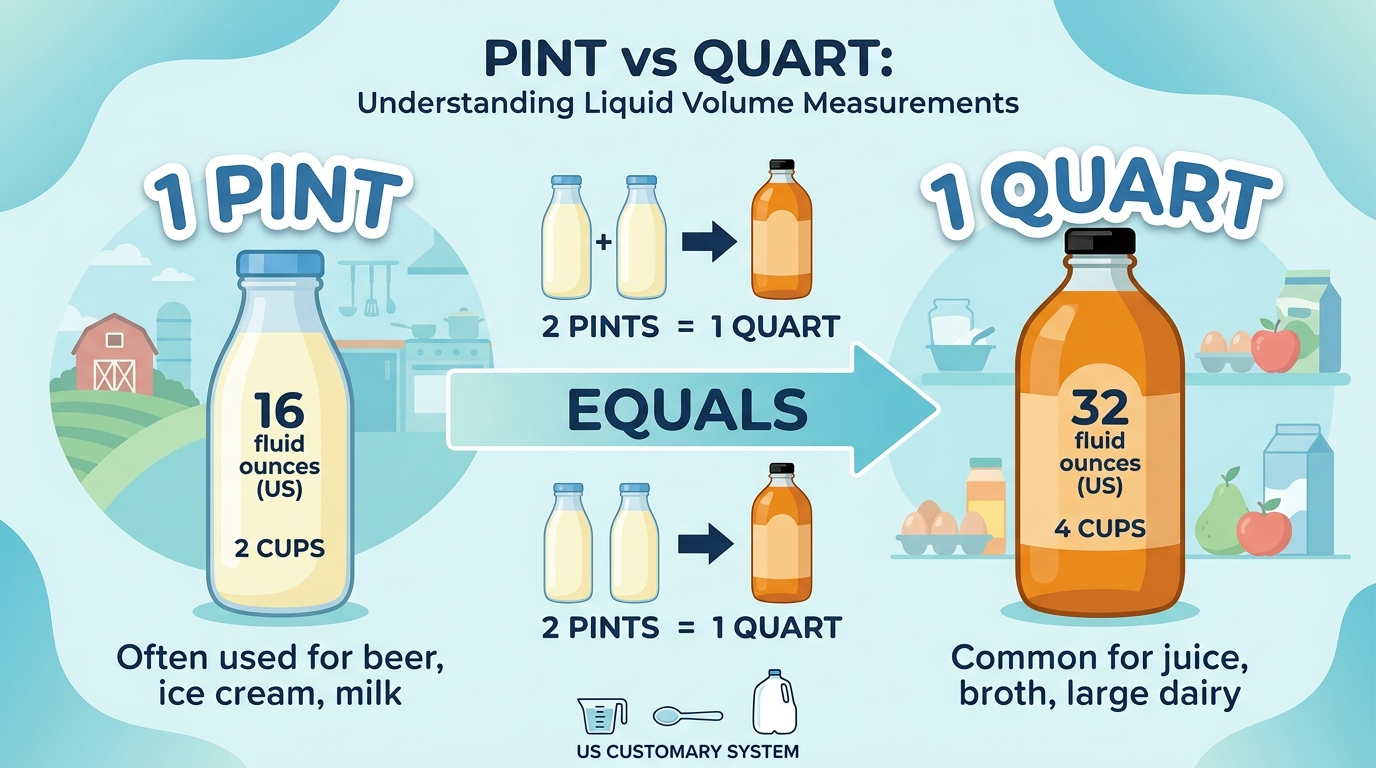
Measuring liquids and dry ingredients accurately is essential in cooking, baking, food storage, and many everyday tasks. Among the most commonly used units in the United States are the pint and the quart. Although they are closely related, many people still wonder about the difference between pint vs quart and when each measurement should be used. Understanding these units can improve recipe accuracy, prevent measurement mistakes, and make shopping easier. Whether you are preparing a meal, buying milk, or learning measurement conversions, knowing how pints and quarts compare will help you use them confidently in daily life.
What Is a Pint?
A pint is a unit of volume commonly used to measure both liquids and certain dry foods. In the United States, one liquid pint equals 16 fluid ounces, making it a practical size for beverages, soups, and dairy products. Ice cream, berries, and other fresh produce are also often sold by the pint. Because it is smaller than a quart, a pint is useful when only a moderate amount of liquid or food is needed. Understanding the size and purpose of a pint provides a strong foundation for comparing pint vs quart and choosing the correct measurement for different situations.
What Is a Quart?
A quart is another unit of volume in the customary measurement system and is larger than a pint. One quart contains 32 fluid ounces, making it exactly twice the size of a liquid pint. Quarts are commonly used for milk, juice, broth, paint, and other products sold in larger quantities. Recipes that prepare meals for families often require ingredients measured in quarts rather than pints. Because of its larger capacity, a quart reduces the need for multiple smaller containers. Learning about the quart helps make the comparison between pint vs quart much easier to understand and remember.
Pint vs Quart: Understanding the Main Difference
The primary difference between pint vs quart is their volume. One quart always equals two pints, making the quart the larger measurement. This simple relationship is useful when converting recipes or purchasing ingredients in different container sizes. If a recipe calls for one quart of milk and you only have pint containers, you will need two pints to reach the required amount. Likewise, half of a quart is one pint. Remembering this basic conversion simplifies cooking, grocery shopping, and food preparation while helping you avoid mistakes that could affect the final result.
When to Use a Pint Instead of a Quart
Choosing a pint instead of a quart depends on the quantity needed. Smaller servings, individual beverages, homemade sauces, or fresh fruits are often measured in pints because they require less volume. Buying products by the pint can also reduce waste when the contents will be used quickly. In cooking, smaller recipes frequently call for pint measurements rather than larger quantities. Understanding when a pint is appropriate helps improve ingredient accuracy and storage efficiency. Knowing the practical uses of each measurement makes the comparison of pint vs quart more meaningful in everyday situations and household activities.
When a Quart Is the Better Choice
A quart becomes the better option whenever larger amounts of liquid or ingredients are required. Families often purchase milk, juice, soup, or cooking oil in quart containers because they provide greater value and reduce the need for frequent purchases. Larger recipes, meal preparation, and food storage also benefit from quart measurements. Gardeners, painters, and home improvement enthusiasts may encounter quarts when buying liquids such as fertilizers or paint. Selecting the appropriate container size based on your needs ensures convenience and efficiency while making everyday measuring tasks simpler and more economical.
Common Uses of Pint and Quart Measurements
Both pints and quarts appear regularly in grocery stores, kitchens, restaurants, and food packaging. Ice cream is often available in pint containers for individual enjoyment, while milk and broth commonly come in quart-sized packages. Recipes frequently switch between these measurements depending on serving size and ingredient quantity. Understanding how these units are used in everyday products makes shopping and meal preparation more convenient. As you become familiar with common packaging sizes, recognizing the difference between pint vs quart becomes second nature, helping you select the correct amount for every purpose.
Easy Ways to Remember Pint vs Quart
Remembering the relationship between pint and quart is easier than many people expect. The simplest method is to recall that two pints always make one quart. Visualizing two small containers filling one larger container can reinforce this concept. Practicing measurement conversions while cooking also helps build confidence over time. Reading labels on grocery products and comparing container sizes further strengthens your understanding. Once this relationship becomes familiar, converting between these units requires little effort. Mastering these basic measurements makes recipes easier to follow and improves accuracy in both cooking and everyday household tasks.
Why Understanding Pint vs Quart Matters
Learning the difference between pint vs quart is valuable because accurate measurements affect cooking results, budgeting, shopping decisions, and food storage. Using the wrong measurement can change recipe consistency, alter flavors, or result in purchasing too much or too little product. Understanding these units also improves confidence when following American recipes or reading food labels. Whether you are a beginner in the kitchen or someone looking to improve everyday practical knowledge, mastering the relationship between pints and quarts saves time and prevents confusion. Accurate measurements contribute to better organization and successful outcomes in countless daily activities.
Conclusion
Understanding pint vs quart is simple once you know their relationship. A pint is a smaller unit, while a quart equals two pints, making it twice the size. These measurements are widely used for cooking, baking, shopping, and storing liquids and foods. Knowing when to use each unit helps improve recipe accuracy, reduce waste, and simplify everyday tasks. By remembering the basic conversion and recognizing common product sizes, you can confidently work with both measurements. This practical knowledge makes daily activities easier and ensures you always choose the right quantity for your specific needs.