
 By kids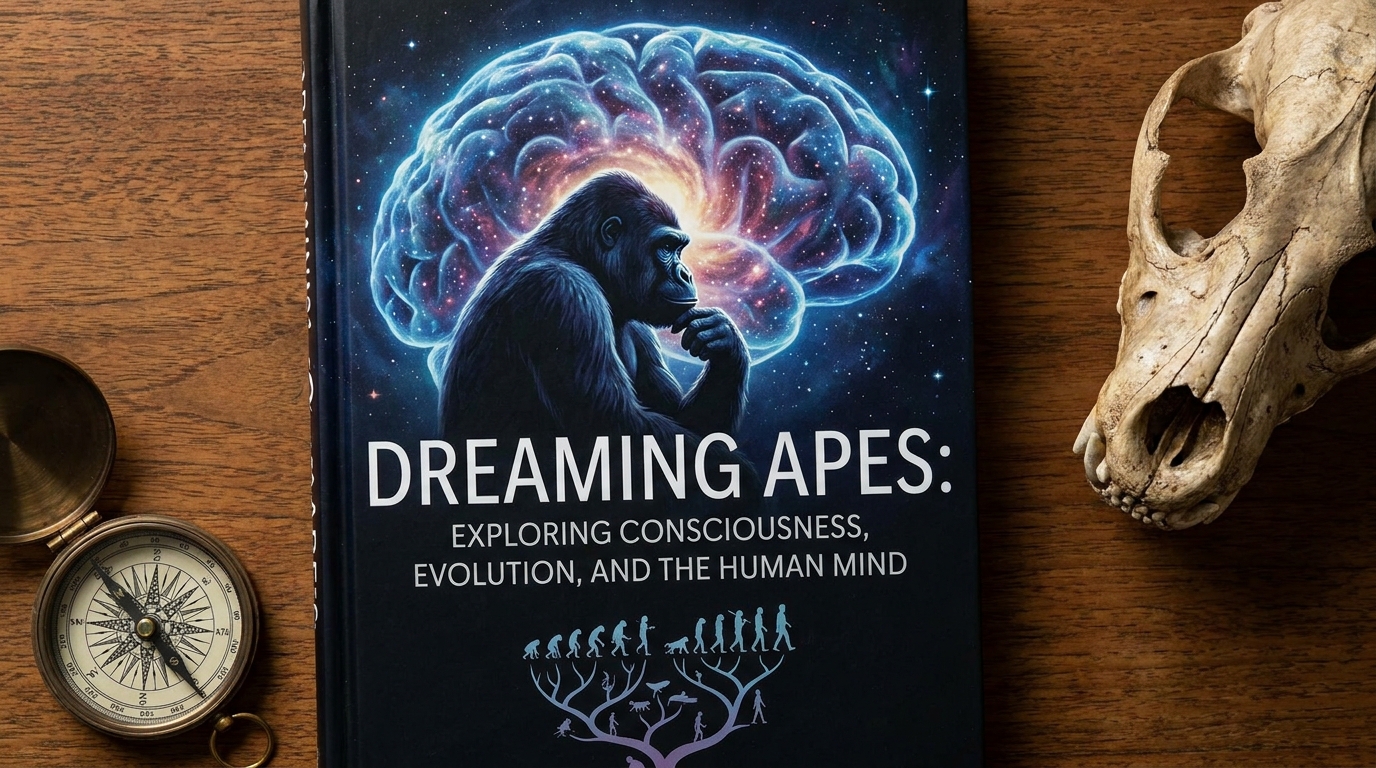
The idea of dreaming apes raises fascinating questions about consciousness, evolution, and the shared mental experiences between humans and other primates. It invites us to think deeply about whether animals, especially apes, experience dreams in ways similar to humans. As science continues to study brain activity and sleep patterns in primates, researchers are uncovering surprising similarities in how mammals process memory and emotion during rest. The concept of dreaming apes is not just scientific curiosity but also a philosophical window into understanding what makes human consciousness unique or connected to other species in the animal kingdom.
Understanding the Concept of Dreaming Apes
The term dreaming apes refers to the idea that non-human primates, such as chimpanzees, gorillas, and orangutans, may experience dream-like mental activity during sleep. Scientists have observed that these animals go through sleep stages similar to humans, including REM sleep, which is associated with dreaming. While we cannot directly confirm their dreams, brain activity studies suggest that apes may process memories and emotions while resting. This concept challenges traditional beliefs about human uniqueness in consciousness and encourages deeper research into animal cognition. It also highlights the biological connection between humans and apes, showing how closely related our mental processes may be in evolutionary terms.
Sleep Cycles in Primates and Brain Activity
Research into dreaming apes often focuses on sleep cycles and neurological activity in primates. Like humans, apes experience different stages of sleep, including light sleep, deep sleep, and REM sleep. During REM sleep, the brain becomes highly active, and in humans, this is when most dreaming occurs. Scientists have recorded similar brain wave patterns in apes, suggesting that they may also undergo dream-like experiences. These findings are important because they show that complex brain activity during sleep is not unique to humans. Instead, it appears to be a shared trait among higher mammals, indicating evolutionary continuity in how brains process information during rest.
Evolutionary Link Between Humans and Apes
The idea of dreaming apes is strongly connected to evolutionary biology. Humans share a common ancestor with modern apes, which explains many similarities in brain structure and behavior. Over millions of years, both species have developed advanced cognitive abilities, including memory, learning, and emotional processing. These shared traits suggest that dreaming could also be an evolutionary feature passed down from a common ancestor. Studying apes helps scientists understand how human consciousness may have developed. It also provides insight into the evolutionary purpose of dreaming, which may involve memory consolidation, emotional regulation, and problem-solving during sleep across different species.
Scientific Studies on Animal Dreams
Scientific interest in dreaming apes has grown as researchers explore animal cognition and sleep behavior. Studies using brain imaging and neural monitoring have shown that primates exhibit patterns similar to humans during REM sleep. While scientists cannot ask apes about their dreams, they analyze brain signals and muscle activity to draw conclusions. Some experiments suggest that animals may replay daily experiences in their sleep, similar to human dream patterns. These findings support the idea that dreaming is not exclusive to humans. Instead, it may be a fundamental biological process shared among many intelligent species, helping them process information and adapt to their environments more effectively.
Memory Processing and Dream-Like States
One possible explanation for dreaming apes involves memory processing during sleep. In humans, dreams are believed to help organize memories, strengthen learning, and process emotions. Researchers think apes may experience similar mental functions while asleep. Their brains may replay important events from the day, helping them learn from experiences and improve survival skills. This theory suggests that dreaming is not random but serves a biological purpose. In apes, this could involve remembering social interactions, food locations, or environmental changes. Understanding this process helps scientists explore how cognition works across species and how sleep contributes to intelligence and behavior in both humans and animals.
Emotional Intelligence in Apes
Another important aspect of dreaming apes is emotional intelligence. Apes are known to experience complex emotions such as joy, fear, grief, and empathy. These emotions are processed in brain regions similar to those in humans. During sleep, it is possible that these emotional experiences are replayed or processed in dream-like states. This could help apes regulate stress and strengthen social bonds within their groups. Emotional intelligence is a key factor in primate behavior, and dreaming may play a role in maintaining psychological balance. Studying these processes provides valuable insight into how emotions and sleep are connected in both human and non-human primates.
Differences Between Human and Ape Dreams
While the idea of dreaming apes suggests similarities with humans, there are also important differences. Human dreams often involve complex narratives, imagination, and symbolic thinking. In contrast, ape dreams, if they occur, are likely more focused on basic experiences and immediate memories. Their cognitive abilities may not support the same level of abstract thinking seen in humans. However, the core biological process of dreaming may still be similar. Both humans and apes experience REM sleep and brain activity patterns associated with memory processing. These differences highlight the unique development of human consciousness while still recognizing shared evolutionary roots.
The Role of Dreams in Survival and Learning
Dreaming apes may also provide insight into the survival benefits of sleep-related mental activity. In many species, sleep plays an important role in learning and adaptation. For apes, dream-like brain activity could help reinforce survival skills such as finding food, avoiding danger, and navigating social hierarchies. By processing daily experiences during sleep, apes may improve their decision-making abilities when awake. This adaptive function of dreaming supports the idea that sleep is not just rest but also an active cognitive process. Understanding this role helps scientists appreciate how evolution has shaped sleep and cognition across different species for survival efficiency.
Philosophical Questions About Animal Consciousness
The concept of dreaming apes also raises deep philosophical questions about consciousness. If apes dream, what does that say about their awareness and inner experience? It challenges the idea that complex consciousness is unique to humans. Instead, it suggests a continuum of awareness across species. Philosophers and scientists debate whether animals have subjective experiences similar to human dreams. While we may never fully understand what animals experience internally, research continues to close the gap between human and animal cognition. These questions encourage a broader understanding of consciousness as a shared biological phenomenon rather than a strictly human trait.
Conclusion: What Dreaming Apes Teach Us About Life and Mind
The idea of dreaming apes opens a fascinating window into the study of consciousness, evolution, and brain function. While scientific evidence is still developing, current research suggests that apes experience sleep patterns similar to humans, including REM stages associated with dreaming. This challenges traditional views of human uniqueness and highlights the deep biological connections between species. Whether through memory processing, emotional regulation, or evolutionary adaptation, dreaming appears to be an important function shared across mammals. Studying this phenomenon not only expands our understanding of animal cognition but also helps us better understand the origins and nature of our own minds.