
 By kids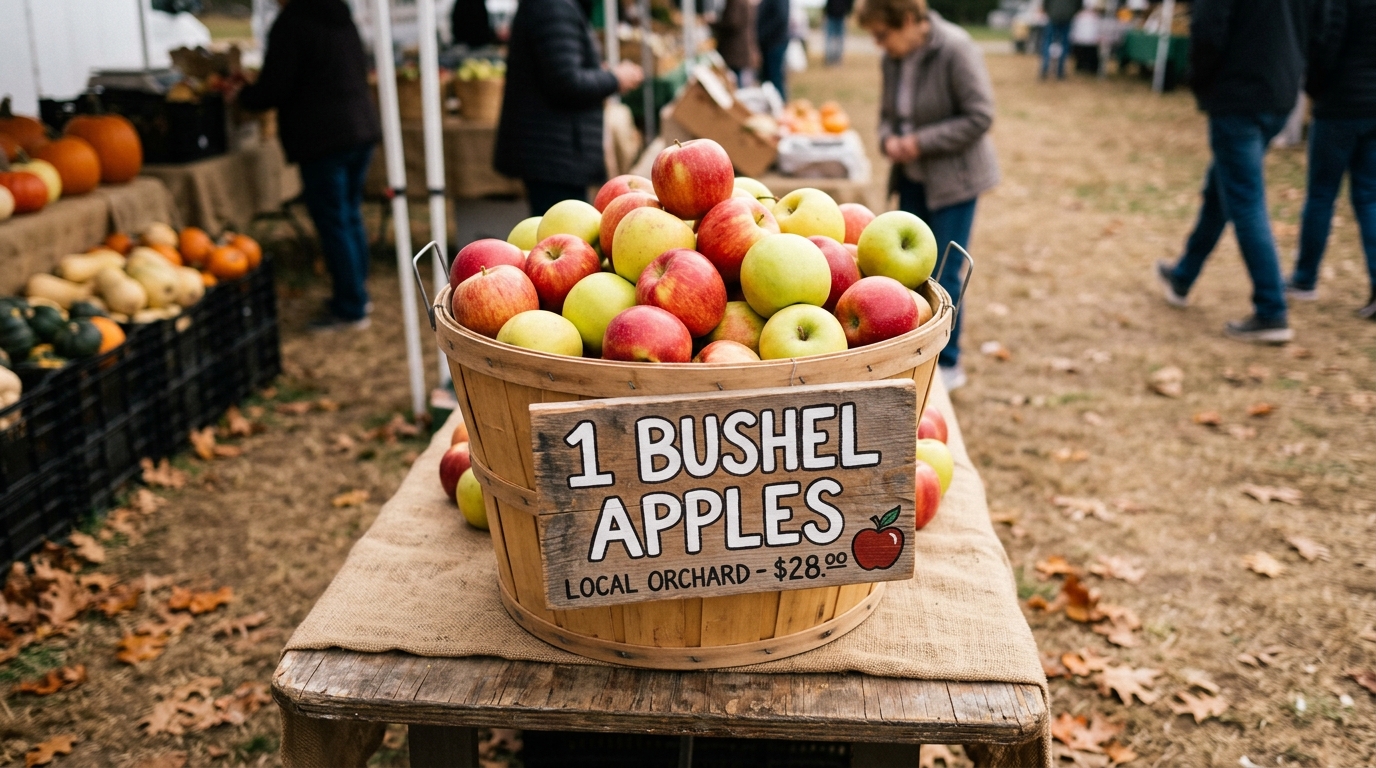
What Is a Bushel of Apples?
A bushel of apples is a standard agricultural measurement used to quantify large amounts of fruit. Traditionally, a bushel is a unit of volume, but in modern apple production it is often associated with weight. On average, a bushel of apples weighs approximately forty-eight pounds, although the exact weight can vary depending on apple variety, size, and moisture content. This measurement allows growers and buyers to communicate quantities consistently and efficiently. Understanding the concept of a bushel of apples is especially useful when purchasing fruit directly from orchards, planning recipes in bulk, or estimating harvest yields from apple trees.
How Many Apples Are in a Bushel?
The number of apples found in a bushel depends largely on the size of the fruit. Smaller apples naturally result in a higher count, while larger apples reduce the total number per bushel. In many cases, a bushel of apples contains between one hundred and one hundred twenty-five medium-sized apples. Some varieties may produce slightly different totals due to differences in density and shape. Because apple sizes vary significantly across regions and cultivars, the count is generally considered an estimate rather than a fixed number. This flexibility makes understanding apple size an important factor when calculating quantities for cooking, storage, or commercial purposes.
Why Farmers Use the Bushel Measurement
Farmers and orchard owners continue using the bushel because it provides a practical and widely recognized method for measuring produce. A bushel of apples simplifies transactions between growers, distributors, retailers, and consumers. Instead of counting individual apples, large quantities can be measured quickly and consistently. The system also helps standardize pricing and production records across the agricultural industry. By using a familiar unit of measurement, growers can communicate harvest yields more effectively and compare production levels from season to season. This efficiency contributes to smoother operations throughout the supply chain and supports accurate planning for future harvests.
Common Uses for a Bushel of Apples
Purchasing a bushel of apples is often ideal for individuals who enjoy cooking, baking, preserving, or sharing fresh fruit with family and friends. A large quantity of apples can be transformed into pies, sauces, jams, juices, and dried snacks. Many households purchase bushels during harvest season to take advantage of fresh flavors and seasonal pricing. Community events, schools, and food businesses may also buy apples in bushel quantities for educational programs, catering, or large-scale food preparation. The versatility of apples makes a bushel a valuable purchase for anyone interested in maximizing the use of fresh produce.
Popular Apple Varieties Sold by the Bushel
Not all apples are identical, and the variety selected can influence flavor, texture, and intended use. Many orchards offer a bushel of apples in popular varieties such as Gala, Fuji, Honeycrisp, Granny Smith, and Red Delicious. Each type possesses unique characteristics that appeal to different consumers. Some apples are preferred for eating fresh due to their sweetness and crispness, while others excel in baking because they maintain structure during cooking. Understanding the qualities of various apple varieties helps buyers choose the most suitable bushel for their specific needs, whether for snacks, desserts, or long-term storage.
Storage Tips for a Bushel of Apples
Proper storage is essential when handling a bushel of apples because the large quantity may not be consumed immediately. Apples remain fresh longest when stored in a cool, dark environment with consistent humidity levels. Refrigeration can significantly extend shelf life by slowing the natural ripening process. It is also important to inspect apples regularly and remove any damaged fruit to prevent spoilage from spreading. Different varieties have varying storage capabilities, with some lasting several months under ideal conditions. Careful storage practices allow consumers to enjoy fresh apples longer while reducing food waste and preserving quality.
Nutritional Benefits of Apples
A bushel of apples provides not only quantity but also substantial nutritional value. Apples contain dietary fiber, vitamins, antioxidants, and natural compounds that contribute to overall wellness. Regular apple consumption may support digestive health, heart health, and balanced nutrition as part of a healthy diet. Because apples are naturally low in calories and contain no cholesterol, they are a popular choice among health-conscious individuals. Different apple varieties offer slightly varying nutrient profiles, but all contribute beneficial plant compounds. Having a bushel of apples available encourages greater fruit consumption and provides convenient access to wholesome snacks and ingredients.
Seasonal Availability and Harvest Timing
The availability of a bushel of apples is closely linked to seasonal harvest cycles. In many apple-growing regions, harvest season occurs during late summer and autumn when fruit reaches peak ripeness. During this period, orchards often welcome visitors for apple picking and direct purchases. Freshly harvested apples typically offer superior flavor, texture, and aroma compared to fruit stored for extended periods. Seasonal abundance also creates opportunities for consumers to purchase larger quantities at competitive prices. Understanding harvest timing helps buyers secure the freshest apples possible while supporting local agriculture and enjoying the best qualities each variety has to offer.
Economic Importance of Apple Production
Apple production plays a significant role in agricultural economies around the world. The sale of a bushel of apples represents more than just fruit; it reflects the work of growers, harvesters, distributors, and retailers involved in bringing produce to market. Successful apple harvests support local communities, create employment opportunities, and contribute to regional economic development. Consumer demand for fresh apples and apple-based products continues to drive industry growth. As a result, the bushel remains an important measurement that facilitates trade and ensures consistency throughout the agricultural sector, benefiting both producers and consumers alike.
Conclusion
A bushel of apples is a practical and traditional measurement that continues to hold value in modern agriculture and everyday life. Whether purchased for cooking, preserving, sharing, or enjoying fresh, a bushel provides a substantial quantity of nutritious and versatile fruit. Understanding how many apples are typically included, how they should be stored, and the benefits they offer helps consumers make informed choices. From orchard harvests to kitchen creations, the bushel remains an important part of apple production and distribution. Appreciating its significance allows buyers to better connect with the agricultural traditions that bring fresh apples to their tables.