
 By kids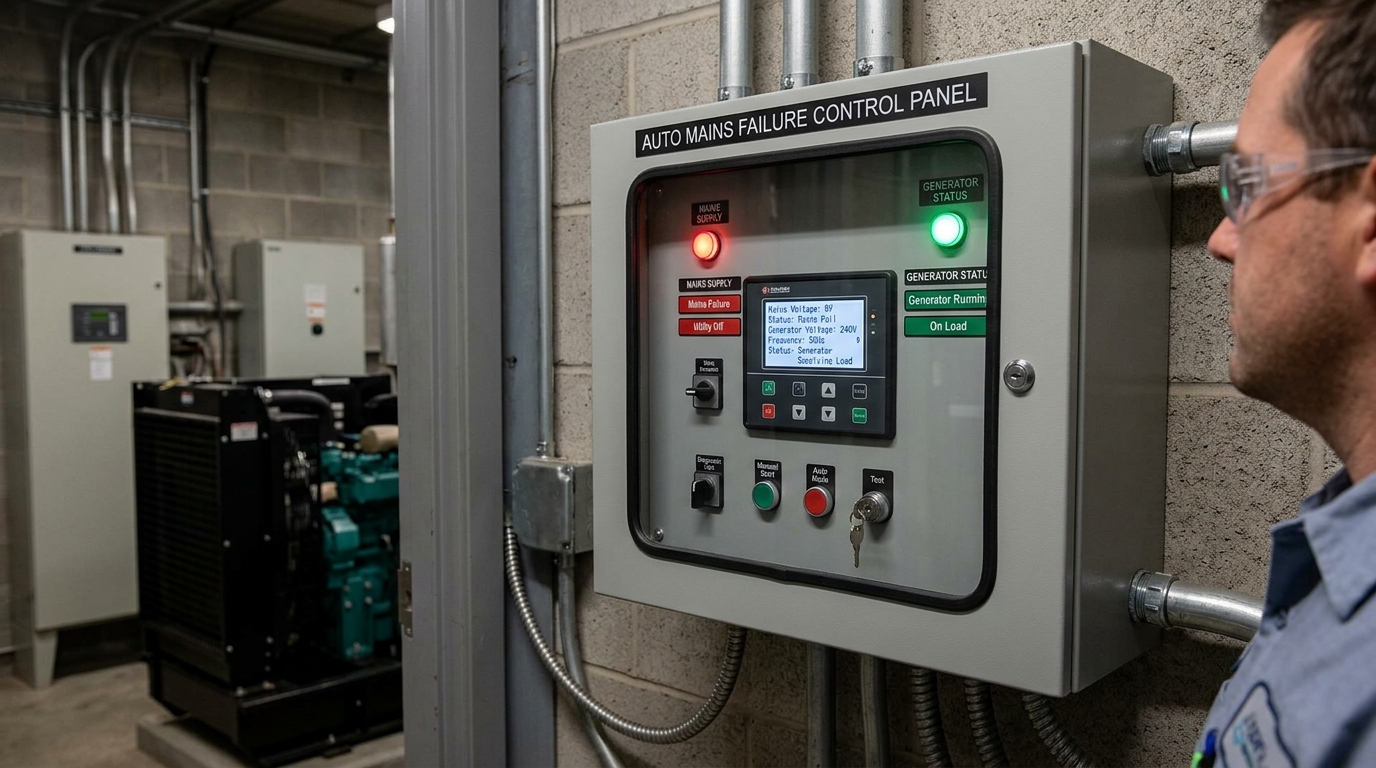
What Is Auto Mains Failure?
Auto mains failure refers to an automated process that detects the loss of electrical supply from the main utility source and initiates a backup power solution without requiring manual intervention. Commonly integrated with generators and automatic transfer switches, this technology minimizes downtime by responding immediately to power interruptions. Once the primary supply is restored, the system can safely transfer operations back to the main source while shutting down the backup equipment. This seamless transition improves operational continuity and reduces the risk of disruption across residential, commercial, and industrial environments that depend on reliable electricity.
How Auto Mains Failure Systems Work
The operation of an auto mains failure system relies on continuous monitoring of incoming electrical power. Sensors evaluate voltage and frequency conditions to determine whether the utility supply remains within acceptable limits. When a failure is detected, the controller automatically starts the standby generator and prepares the transfer mechanism. After confirming that backup power has stabilized, the electrical load shifts from the main supply to the generator. Once normal utility service returns and remains stable, the controller transfers the load back safely and stops the generator, restoring standard operating conditions with minimal interruption.
Key Components of an Auto Mains Failure Setup
Several integrated components work together to ensure the successful operation of an auto mains failure system. The controller functions as the decision-making unit by monitoring incoming electricity and managing switching sequences. An automatic transfer switch changes the power source between the utility grid and backup generator while preventing unsafe simultaneous connections. The standby generator supplies electricity during outages, and battery systems provide reliable engine starting capability. Protective circuits, sensors, and communication interfaces further improve system performance by supporting accurate monitoring, fault detection, and efficient coordination between all connected equipment.
Benefits of Using Auto Mains Failure Technology
One of the greatest advantages of auto mains failure technology is its ability to reduce downtime during unexpected utility interruptions. Automatic response eliminates delays associated with manual generator operation, ensuring that essential equipment continues functioning as quickly as possible. Businesses benefit from improved productivity and reduced financial losses caused by outages, while healthcare facilities and data centers gain critical operational protection. Residential users also appreciate the convenience of uninterrupted essential services during emergencies. Overall, automation enhances reliability, increases safety, and provides greater peace of mind for users relying on continuous electrical availability.
Applications Across Different Industries
Auto mains failure systems serve a wide variety of industries where uninterrupted power is essential for maintaining operations and protecting valuable assets. Hospitals rely on automated backup activation to support life-saving equipment, while manufacturing facilities use it to prevent costly production delays. Data centers require continuous electricity to preserve information and maintain online services, and telecommunications infrastructure depends on reliable backup to sustain communication networks. Commercial buildings, educational institutions, airports, and residential complexes also benefit from automatic power restoration capabilities that reduce operational risks and improve resilience during unexpected electrical failures.
Maintenance Requirements for Reliable Performance
Regular maintenance is essential to ensure that an auto mains failure system performs correctly when a real power interruption occurs. Periodic inspections verify generator readiness, battery condition, controller functionality, and transfer switch operation while identifying potential issues before they become serious problems. Scheduled testing confirms that automatic sequences execute properly and that backup equipment responds within expected timeframes. Cleaning components, replacing worn parts, and updating control settings contribute to long-term reliability. A proactive maintenance strategy helps maximize equipment lifespan while ensuring dependable performance during critical situations when backup power becomes necessary.
Common Challenges and Troubleshooting
Although auto mains failure systems are designed for dependable operation, occasional technical issues may affect performance if not addressed promptly. Battery degradation can prevent generator startup, while sensor failures may produce inaccurate power readings that interfere with switching sequences. Wiring problems, insufficient maintenance, or controller configuration errors can also reduce system reliability. Identifying these challenges through routine inspections and diagnostic testing helps prevent unexpected failures during emergencies. Qualified technicians play an important role in troubleshooting complex faults, ensuring proper repairs, and restoring optimal functionality before operational continuity is compromised.
Technological Advancements in Backup Power Systems
Recent technological developments have improved the capabilities of auto mains failure systems by introducing smarter monitoring, remote management, and enhanced automation features. Digital controllers now provide detailed operational data that allows facility managers to monitor system performance from centralized platforms or mobile devices. Advanced diagnostics can identify maintenance needs before equipment fails, supporting predictive servicing strategies that reduce downtime. Integration with building management systems and cloud-based monitoring solutions further enhances operational efficiency. These innovations enable organizations to manage power infrastructure more effectively while increasing confidence in emergency preparedness.
Choosing the Right Auto Mains Failure Solution
Selecting an appropriate auto mains failure system requires careful evaluation of power requirements, facility size, operational priorities, and future expansion plans. Backup capacity should match essential electrical loads while allowing safe operation during prolonged outages. Compatibility between generators, transfer switches, and control systems is equally important for reliable performance. Organizations should also consider maintenance accessibility, monitoring capabilities, and compliance with applicable electrical standards. Investing in a properly designed solution ensures efficient power management, reduces operational risks, and provides dependable protection against unexpected utility interruptions that could otherwise affect critical activities.
Conclusion
Auto mains failure technology has become an essential component of modern power backup systems by providing automatic detection of utility outages and seamless transition to alternative energy sources. Its ability to reduce downtime, improve safety, and protect critical operations makes it valuable across residential, commercial, and industrial applications. With proper maintenance, reliable equipment, and thoughtful system design, organizations can significantly strengthen their resilience against electrical disruptions. As technology continues advancing, auto mains failure solutions will remain an important investment for ensuring uninterrupted power and supporting efficient operations in an increasingly connected world.