
 By kids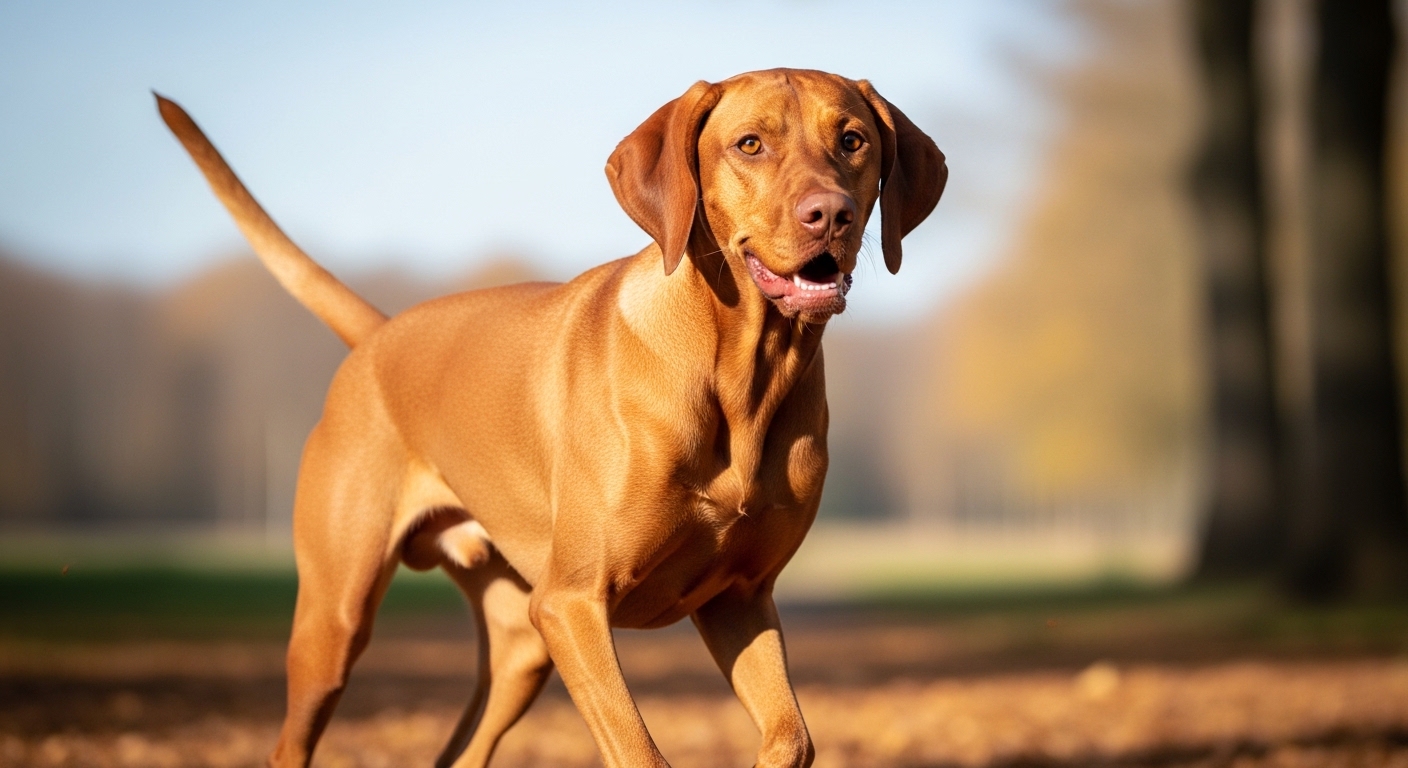
The vizsla is a graceful and athletic dog breed known for its intelligence, loyalty, and affectionate nature. Originally bred in Hungary as a hunting companion, this beautiful dog has become a favorite among active families and pet lovers around the world. With its sleek golden-rust coat, expressive eyes, and friendly personality, the vizsla stands out as both a skilled sporting dog and a devoted family pet. Whether you are considering bringing one home or simply want to learn more about the breed, understanding the vizsla’s temperament, care needs, and lifestyle requirements is essential for responsible ownership.
The Origin and History of the Vizsla
The vizsla has a rich history that dates back centuries in Hungary, where it was bred as a versatile hunting dog. Historically, Hungarian nobility valued the breed for its speed, stamina, and excellent scenting ability. These dogs were developed to work in fields, forests, and even water, making them reliable companions for hunters. Over time, the breed gained recognition for its elegance and strong bond with humans. Today, the vizsla remains admired not only for its hunting heritage but also for its gentle temperament and family-friendly personality. This historical background helps explain why the breed is both hardworking and deeply affectionate.
Physical Appearance and Breed Characteristics
The vizsla is a medium-sized dog with a lean, muscular build designed for agility and endurance. Most adults stand around twenty-one to twenty-four inches tall and weigh between forty-four and sixty pounds. Its short, smooth coat is one of its most recognizable features, usually appearing in shades of golden rust or reddish-gold. The breed’s long ears, alert expression, and athletic posture give it an elegant appearance. Because the coat is short and dense, grooming is relatively easy compared to long-haired breeds. The vizsla’s physical design perfectly reflects its energetic and active lifestyle.
Temperament and Personality
One of the most loved qualities of the vizsla is its personality. These dogs are affectionate, intelligent, and extremely loyal to their families. They are often called “Velcro dogs” because they like to stay close to their owners at all times. Vizslas thrive on companionship and often do not enjoy being left alone for long periods. They are gentle with children and can adapt well to family life when properly trained and socialized. Their sensitive and loving nature makes them wonderful emotional companions, but they also require consistent attention and interaction from their owners.
Exercise and Activity Needs
The vizsla is a high-energy breed that requires significant daily exercise. This is not a dog suited for a sedentary lifestyle. Long walks, runs, hikes, and play sessions are essential to keep it healthy and mentally satisfied. Experts often recommend at least one hour of active exercise each day, though many owners find that even more is ideal. Without enough physical activity, a vizsla may become restless, anxious, or destructive. Because of their sporting background, they excel in activities like jogging, agility training, fetch, and outdoor adventures, making them perfect companions for active individuals.
Training and Intelligence
Vizslas are highly intelligent and eager to please, which makes them very trainable. They respond best to positive reinforcement methods such as treats, praise, and consistent routines. Early socialization and obedience training are important because their energy and enthusiasm can sometimes become overwhelming without structure. Their intelligence also means they need mental stimulation in addition to physical exercise. Puzzle toys, scent games, and advanced commands can help keep their minds engaged. With the right training approach, the vizsla becomes an obedient, responsive, and deeply connected companion.
Grooming and General Care
One advantage of owning a vizsla is its relatively low-maintenance coat. Weekly brushing is usually enough to keep the coat clean and healthy while reducing shedding. Because they have short fur, they do not require frequent trimming or specialized grooming sessions. Regular ear cleaning is important since their floppy ears can trap moisture and lead to infections. Dental care, nail trimming, and routine veterinary checkups are also essential parts of responsible ownership. Overall, grooming a vizsla is simple compared with many other active dog breeds, which adds to its appeal.
Common Health Concerns
Like all breeds, the vizsla can be prone to certain health conditions. Common concerns include hip dysplasia, hypothyroidism, epilepsy, and progressive retinal atrophy. Responsible breeding and regular veterinary care can help reduce the risk of inherited health problems. The average lifespan of a healthy vizsla is around twelve to fourteen years, which is excellent for a medium-sized dog. Maintaining a balanced diet, regular exercise, and routine health screenings can contribute significantly to long-term well-being. Prospective owners should always choose reputable breeders or rescue organizations.
Is a Vizsla the Right Dog for You?
The vizsla is an excellent choice for people who lead active lifestyles and can dedicate time to companionship and exercise. This breed thrives in homes where it receives regular outdoor activity, mental stimulation, and emotional attention. It may not be ideal for owners who are away from home for long hours, as separation anxiety can become a serious issue. For runners, hikers, and families who enjoy spending time outdoors, the vizsla can be one of the most rewarding breeds to own. Its loyalty and loving nature often create a lifelong bond.
Conclusion
The vizsla is a remarkable breed that combines beauty, intelligence, and unwavering loyalty. With its athletic build, affectionate temperament, and strong desire for human companionship, it remains one of the most admired sporting dogs in the world. For the right owner, a vizsla offers far more than companionship; it becomes a devoted member of the family. Understanding its needs for exercise, training, and attention is the key to building a happy and healthy relationship with this extraordinary dog.