
 By kids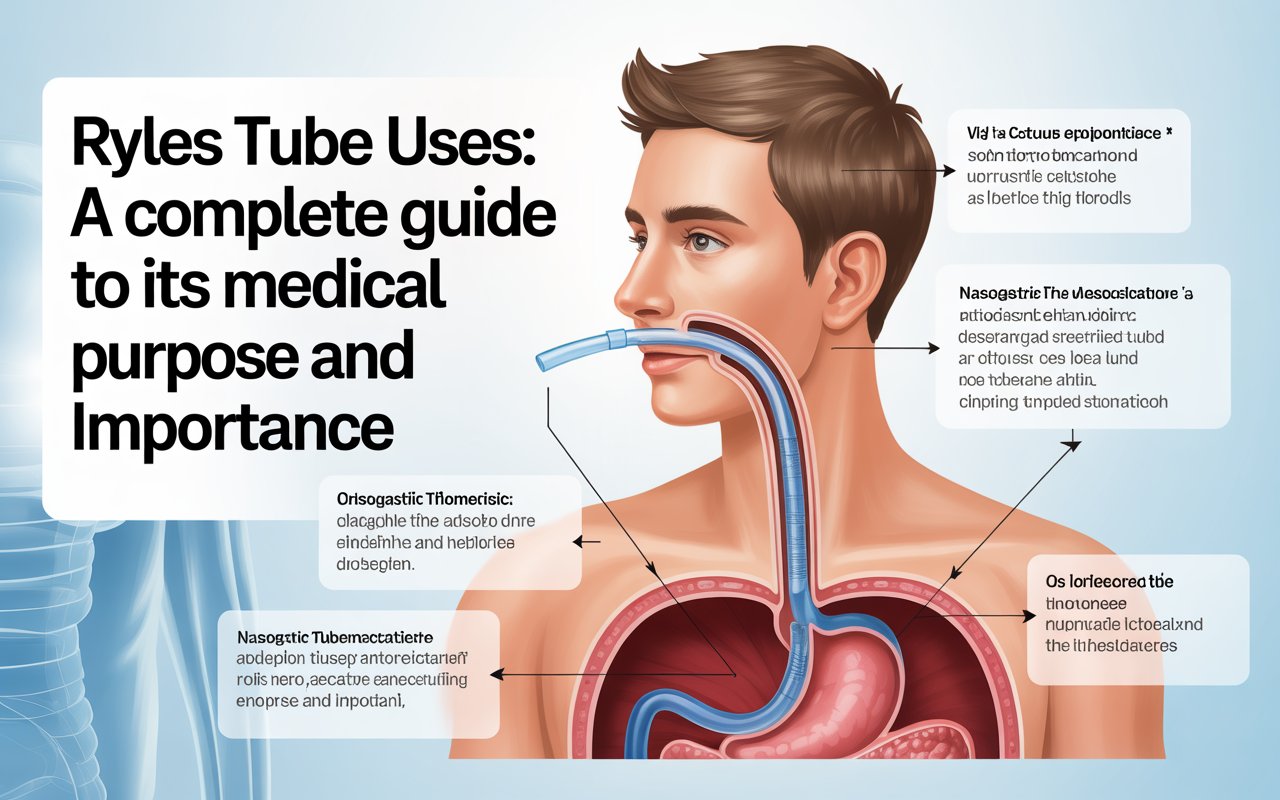
In modern healthcare, medical devices play a crucial role in patient care, and understanding ryles tube uses is essential for both medical professionals and students. A Ryles tube, also known as a nasogastric tube, is a flexible tube inserted through the nose into the stomach. It is widely used in hospitals for various diagnostic and therapeutic purposes. Its versatility makes it an important tool in patient management. Exploring ryles tube uses helps clarify how it supports nutrition, treatment, and diagnosis, ultimately improving patient outcomes and ensuring effective medical care in different clinical situations.
What Is a Ryles Tube
A Ryles tube is a medical device designed for insertion through the nasal passage into the stomach. It is commonly used in healthcare settings to assist patients who cannot eat or swallow normally. The tube is made of flexible material, allowing it to pass smoothly through the esophagus. Understanding ryles tube uses begins with knowing its basic structure and function. It serves as a pathway for feeding, medication, or removal of stomach contents. This simple yet effective device is essential in managing a wide range of medical conditions, making it a fundamental tool in clinical practice.
Primary Ryles Tube Uses in Feeding
One of the most important ryles tube uses is providing nutrition to patients who are unable to eat orally. This method, known as enteral feeding, ensures that patients receive necessary nutrients directly into the stomach. It is especially useful for individuals with swallowing difficulties, neurological disorders, or severe illness. The tube allows for controlled and consistent delivery of food and fluids. This approach helps maintain energy levels and supports recovery. Understanding this use highlights the importance of the Ryles tube in sustaining life and promoting healing in patients with limited oral intake.
Role in Gastric Decompression
Ryles tube uses also include gastric decompression, which involves removing gas and fluids from the stomach. This procedure is often necessary in cases of intestinal obstruction, surgery, or severe vomiting. By relieving pressure in the stomach, the tube helps reduce discomfort and prevent complications. Gastric decompression can improve patient comfort and support recovery after medical procedures. It is a critical intervention in emergency and postoperative care. Recognizing this function emphasizes how the Ryles tube contributes to maintaining stability in patients with digestive system issues.
Use in Medication Administration
Another important aspect of ryles tube uses is the administration of medication. For patients who cannot swallow tablets or liquids, the tube provides a direct route to deliver drugs into the stomach. This ensures that treatment continues without interruption. Medications can be given in liquid form or as crushed tablets mixed with water. This method is particularly beneficial in critical care settings where timely treatment is essential. Understanding this use demonstrates the versatility of the Ryles tube in supporting various medical therapies and ensuring effective drug delivery.
Diagnostic Applications of Ryles Tube
Ryles tube uses extend beyond treatment to include diagnostic purposes. It can be used to collect gastric samples for testing, helping doctors assess conditions such as bleeding or infections. The tube allows for analysis of stomach contents, providing valuable information for diagnosis. This function is especially useful in identifying gastrointestinal disorders. By facilitating accurate testing, the Ryles tube plays a role in guiding medical decisions. Understanding its diagnostic applications highlights its importance in both identifying and managing health conditions effectively.
Role in Managing Poisoning Cases
In emergency situations, ryles tube uses include managing cases of poisoning or drug overdose. The tube can be used to perform gastric lavage, a procedure that removes harmful substances from the stomach. This intervention is often carried out soon after ingestion to reduce absorption of toxins. It is a life-saving procedure in critical situations. The ability to quickly remove dangerous substances highlights the importance of the Ryles tube in emergency medicine. Understanding this use emphasizes its role in preventing severe complications and improving patient survival rates.
Importance in Surgical Care
Ryles tube uses are particularly important in surgical care, both before and after operations. Before surgery, the tube may be used to empty the stomach and reduce the risk of complications during anesthesia. After surgery, it helps manage gastric secretions and prevents buildup of fluids. This support allows the digestive system to recover gradually. The use of a Ryles tube in surgical settings ensures better patient outcomes and reduces the risk of postoperative complications. Understanding this role highlights its importance in maintaining patient safety during medical procedures.
Patient Care and Monitoring
Proper patient care and monitoring are essential aspects of ryles tube uses. Healthcare providers must ensure that the tube is correctly positioned and functioning effectively. Regular checks are necessary to prevent complications such as blockage or discomfort. Monitoring also includes observing the patient’s response to feeding or treatment. Good care practices improve the effectiveness of the tube and enhance patient comfort. Understanding this aspect emphasizes the importance of skilled medical supervision in ensuring the safe and successful use of the Ryles tube in various clinical situations.
Advantages and Limitations
Ryles tube uses offer several advantages, including ease of insertion, versatility, and effectiveness in delivering nutrition and treatment. However, there are also limitations to consider. Some patients may experience discomfort or complications such as irritation or infection. Long-term use may require alternative feeding methods. Despite these challenges, the benefits often outweigh the drawbacks in critical situations. Understanding both the advantages and limitations helps healthcare providers make informed decisions about its use. It also ensures that patients receive the most appropriate care based on their individual needs.
Conclusion
Ryles tube uses are diverse and essential in modern medical practice. From providing nutrition and administering medication to supporting diagnosis and emergency care, this device plays a vital role in patient management. Its versatility and effectiveness make it an indispensable tool in healthcare. By understanding its functions and applications, individuals can appreciate its importance in improving patient outcomes and supporting recovery across a wide range of medical conditions.