
 By kids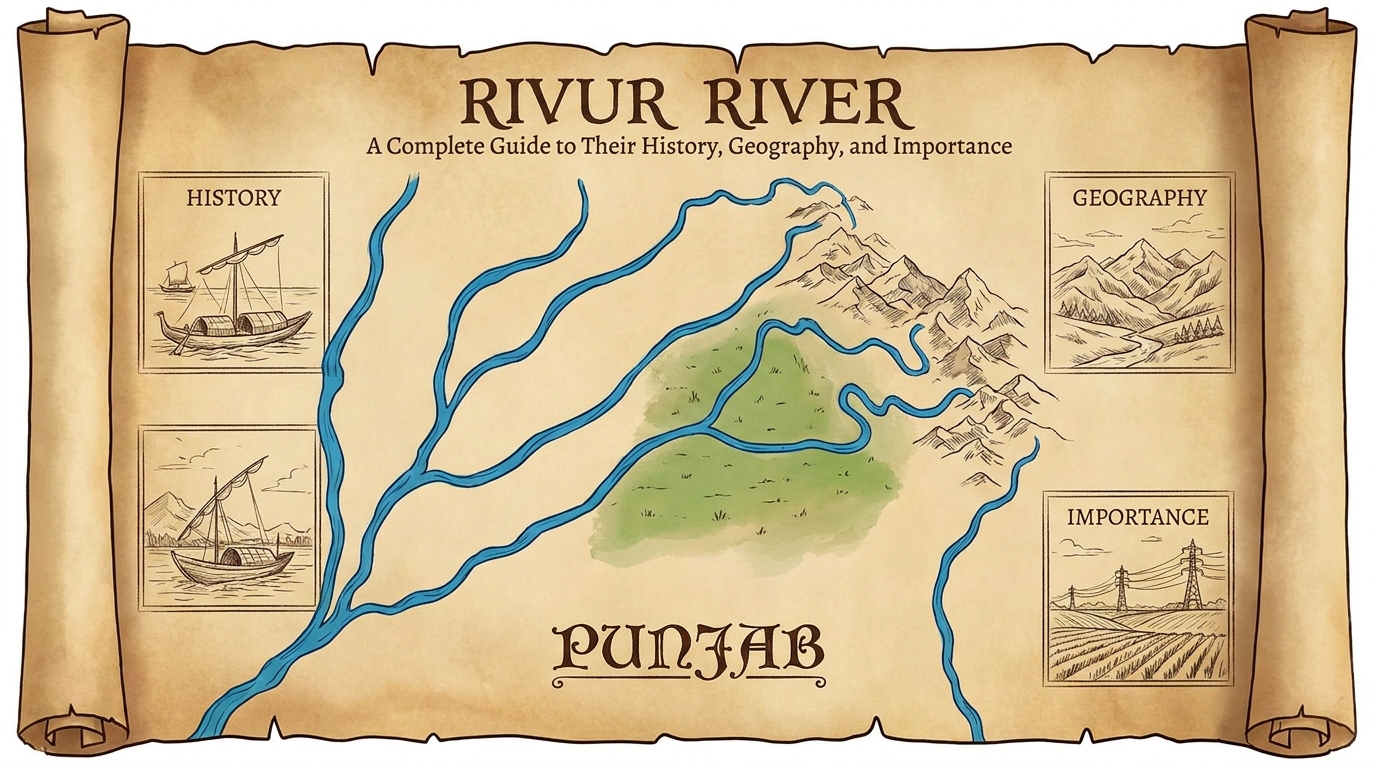
The phrase five rivers of Punjab represents the lifeline of a region known for its fertile land, rich culture, and historical significance. The name “Punjab” itself comes from Persian words meaning “land of five rivers,” highlighting the deep connection between geography and identity. These rivers have supported agriculture, shaped settlements, and influenced traditions for centuries. Flowing through parts of South Asia, they contribute to one of the most productive agricultural zones in the world. Understanding the five rivers of Punjab provides valuable insight into the region’s environment, economy, and cultural heritage.
Origin of the Name Punjab
The concept of the five rivers of Punjab begins with the origin of the region’s name. Derived from Persian, “panj” means five and “ab” means water, collectively describing the land nourished by five rivers. This naming reflects the importance of water resources in shaping the region’s identity. Historically, the rivers supported early civilizations and agricultural development. The abundance of water made Punjab a center for trade, culture, and settlement. The name continues to symbolize prosperity and natural richness, showing how geography and language are closely connected in defining regional identity.
The Five Rivers of Punjab Explained
The five rivers of Punjab include the Jhelum River, Chenab River, Ravi River, Beas River, and Sutlej River. These rivers originate from the Himalayan region and flow through different parts of the Punjab plains. Each river has its own course, characteristics, and contribution to the region’s ecosystem. Together, they form a network that supports agriculture, biodiversity, and human settlements. Their combined presence is what defines Punjab as a fertile and vibrant region.
Geographic Importance of the Rivers
The five rivers of Punjab play a crucial role in shaping the geography of the region. They create fertile plains by depositing nutrient-rich soil, making the land ideal for farming. The rivers also influence climate patterns and water availability, supporting both rural and urban communities. Their interconnected system forms a major part of the Indus River basin, which is one of the largest river systems in the world. This geographic significance ensures that Punjab remains an important agricultural and economic hub. The rivers continue to define the landscape and natural features of the region.
Historical Significance of the Rivers
Throughout history, the five rivers of Punjab have been central to the development of civilizations and cultures. Ancient settlements often emerged along riverbanks, benefiting from water supply and fertile land. These rivers witnessed the rise and fall of empires, trade routes, and cultural exchanges. Historical events and migrations were influenced by the presence of these waterways. The rivers also served as natural boundaries and strategic locations in various periods. Their historical importance is deeply embedded in the identity of Punjab, reflecting their role in shaping the region’s past and cultural evolution.
Role in Agriculture and Economy
Agriculture is the backbone of Punjab’s economy, and the five rivers of Punjab are essential to its success. The rivers provide irrigation water that supports the cultivation of crops such as wheat, rice, and sugarcane. This reliable water supply has made Punjab one of the most productive agricultural regions in South Asia. The rivers also support livestock farming and related industries. Economic activities such as fishing and transportation benefit from these waterways. Their contribution to agriculture ensures food security and economic stability, making them vital to the region’s prosperity.
Cultural and Social Influence
The five rivers of Punjab have a strong influence on the culture and social life of the region. Festivals, traditions, and folklore often revolve around rivers and their significance. Water is considered a symbol of life and purity, and rivers are respected in many cultural practices. Communities living near these rivers have developed unique lifestyles and traditions shaped by their environment. Songs, poetry, and art frequently celebrate the beauty and importance of these waterways. This cultural connection highlights how the rivers are not only natural resources but also integral to the identity and heritage of Punjab.
Environmental Challenges Facing the Rivers
Despite their importance, the five rivers of Punjab face several environmental challenges. Pollution, overuse of water, and climate change have impacted their health and sustainability. Industrial waste and agricultural runoff contribute to water quality issues, affecting both ecosystems and human populations. Reduced water flow due to excessive usage has also created concerns about long-term availability. Addressing these challenges requires sustainable practices and effective management. Protecting these rivers is essential for maintaining the ecological balance and ensuring that future generations can benefit from their resources.
Conservation Efforts and Sustainable Use
Efforts to conserve the five rivers of Punjab focus on promoting sustainable water management and environmental protection. Governments and organizations are working to reduce pollution, improve irrigation efficiency, and restore natural habitats. Public awareness campaigns encourage responsible use of water resources and highlight the importance of conservation. Technological advancements in agriculture also help reduce water wastage. Sustainable practices ensure that the rivers continue to support the region’s needs without causing long-term damage. These efforts are crucial in preserving the natural and economic value of the rivers.
Modern Relevance of the Five Rivers
In modern times, the five rivers of Punjab remain highly relevant for both environmental and economic reasons. They continue to support agriculture, industry, and daily life in the region. Urban development and population growth have increased the demand for water, making these rivers even more important. Advances in infrastructure, such as dams and canals, have improved water distribution but also require careful management. The rivers play a key role in regional planning and development strategies. Their continued relevance highlights the need for balanced and sustainable use in a rapidly changing world.
Conclusion
The five rivers of Punjab are fundamental to the region’s identity, history, and prosperity. They have shaped the landscape, supported civilizations, and sustained agriculture for centuries. Despite facing environmental challenges, their importance remains undeniable. By understanding their significance and promoting sustainable practices, it is possible to preserve these vital waterways for future generations. The five rivers of Punjab continue to symbolize life, growth, and the enduring connection between nature and human society.